Top Functional Drink Ingredients for New Brands
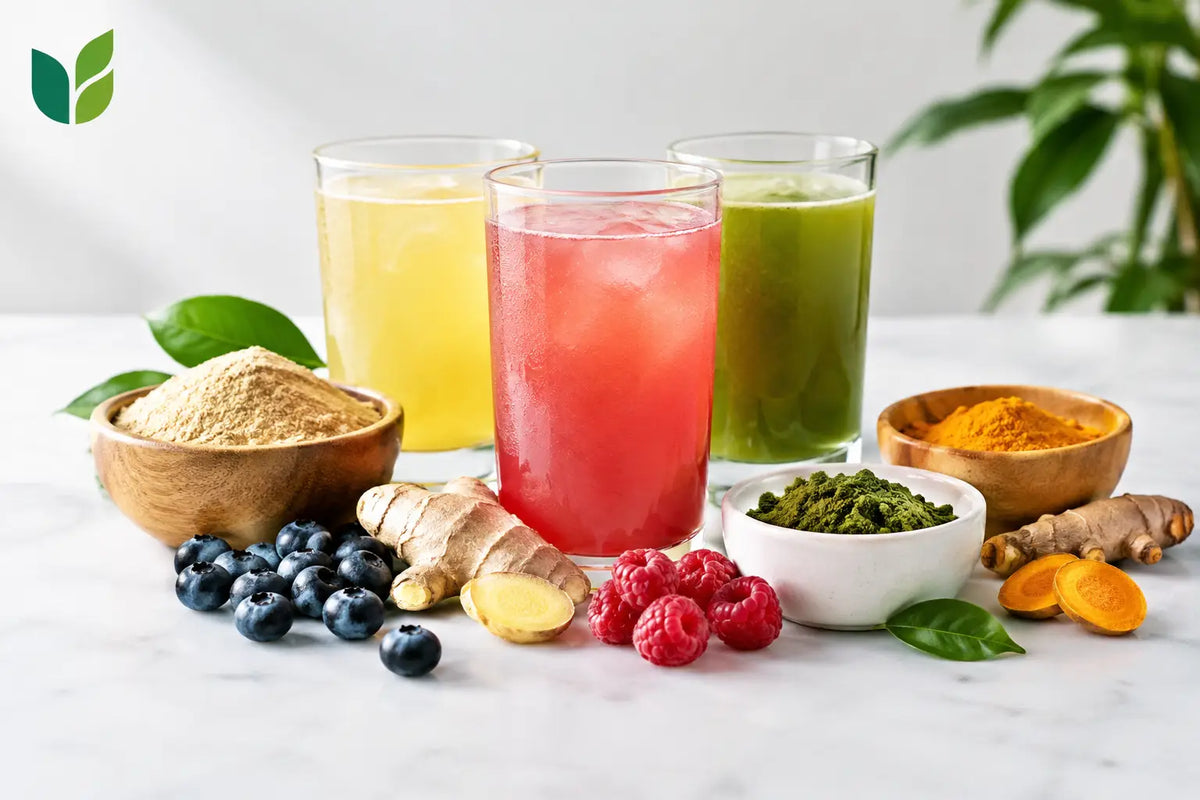
A functional ingredient is only valuable if it earns a place in a drink consumers want to buy again. For founders evaluating top functional drink ingredients, that means looking beyond a trend report or a compelling benefit statement. The right choice has to fit the consumer occasion, deliver a meaningful amount per serving, work with the flavor system, survive production, and support a clear on-pack message.
That is where many promising beverage concepts become difficult. An ingredient may be popular in capsules or powders but turn bitter in a ready-to-drink format. Another may have strong consumer recognition but require a dose that drives the cost of goods too high. Building a store-ready functional beverage means balancing efficacy, taste, stability, claims, sourcing, and scale from the start.
What Makes a Functional Ingredient Right for a Beverage?
The best ingredient is not automatically the newest or most technical one. It is the ingredient that gives a specific customer a reason to choose your product at a particular moment. A commuter looking for a clean energy alternative has different needs than an athlete recovering after training or a shopper trying to support digestive wellness.
Before selecting ingredients, define the product's job in one sentence. For example: a lightly carbonated afternoon drink that supports sustained focus without the intensity of an energy drink. That statement creates useful guardrails around stimulant level, sweetness, flavor direction, package size, and price point.
A strong formula usually leads with one primary benefit and supports it with a small number of ingredients that make scientific and sensory sense together. Overloading the label can confuse buyers, complicate formulation, and make production more expensive without making the drink more effective.
Top Functional Drink Ingredients to Consider
Electrolytes for hydration
Electrolytes remain a practical choice because consumers already understand the hydration benefit. Sodium, potassium, magnesium, and chloride can help replace fluids and minerals lost through exercise, heat, or everyday activity. The challenge is building a mineral profile that delivers the intended function without creating a salty, metallic, or bitter finish.
The source and amount matter. A lightly hydrated lifestyle drink may need a different profile from a sports-performance product. Electrolytes also interact with acids, sweeteners, and flavors, so bench testing is essential before making a final ingredient decision.
Caffeine for energy
Caffeine is one of the most recognizable functional beverage ingredients, whether it comes from coffee, tea, guayusa, green coffee bean, or a purified source. Its familiarity can make product positioning straightforward, but the experience of the drink depends on dose, flavor, and the other ingredients surrounding it.
Founders should decide whether they are creating a gentle lift, a standard energy drink, or a high-stimulation performance product. More caffeine is not always better. It can narrow the target audience and increase the need for careful label language and responsible serving guidance.
L-theanine for a more balanced energy profile
L-theanine is often paired with caffeine in focus-oriented beverages because consumers associate the pairing with smoother, more measured energy. It can be especially useful for brands that want to distinguish themselves from aggressively stimulating energy products.
That said, a pairing only works if the drink tastes good and the benefit is communicated clearly. L-theanine does not solve an overly bitter flavor profile or an energy claim that feels exaggerated. It should support a focused product story rather than become a technical detail with no consumer-facing purpose.
Creatine for performance and active lifestyles
Creatine is moving beyond the powder tub as active consumers look for convenient ways to incorporate it into daily routines. It can fit performance, strength, and recovery-adjacent beverage concepts, particularly products aimed at consistent gym-goers.
The formulation question is whether the required serving fits the format. Dose targets, solubility, serving size, sweetness, and sediment risk all need to be evaluated. A clear beverage may not be the best format for every creatine approach, while a larger-format or protein-forward drink may offer more flexibility.
Prebiotic fiber for gut health
Prebiotic fibers such as inulin, resistant dextrin, and certain soluble fibers can support a digestive wellness platform. They also give founders a benefit area with broad consumer interest, from daily regularity to a healthier gut microbiome.
Fiber can affect body, sweetness perception, clarity, and digestive tolerance. Higher amounts may create a more noticeable impact, but they can also make the drink feel heavy or cause discomfort for some consumers. The right level depends on the target consumer, serving frequency, and whether the product is positioned as a gentle daily beverage or a more dedicated wellness product.
Probiotics and postbiotics for digestive positioning
Probiotics have strong name recognition, but they can be technically demanding in shelf-stable drinks. Heat processing, acidity, oxygen exposure, and time can all affect viability. Refrigerated products may create more options, yet they also introduce cold-chain requirements and a different distribution model.
Postbiotics can offer a more production-friendly path for some concepts because they do not rely on live cultures remaining viable through the product's shelf life. The best choice depends on the intended claim, product format, processing method, and retail strategy. A formulation team should validate the ingredient's performance in the finished beverage, not just rely on a supplier specification.
Adaptogenic botanicals for stress and mood platforms
Ashwagandha, rhodiola, lemon balm, and other botanicals are common considerations for calm, mood, and stress-support beverages. These ingredients can help establish a distinctive brand point of view, especially when paired with flavors that signal relaxation, such as citrus, berry, tea, or botanical blends.
Botanical sourcing deserves close attention. Flavor variation between lots, extract standardization, color, sediment, and documentation can affect both the consumer experience and commercial readiness. Founders also need to be disciplined about claims. A calm-focused drink should not make disease or treatment claims that are inappropriate for a conventional beverage.
Protein and collagen for satiety or beauty-from-within concepts
Protein and collagen can create a more substantial beverage proposition, including breakfast, recovery, satiety, and beauty-oriented products. They also bring some of the toughest formulation challenges. Protein can create chalkiness, instability, off-notes, and visible separation, while collagen has its own flavor and processing considerations.
This category requires the format to match the function. A creamy ready-to-drink beverage may accommodate protein differently than a sparkling water. Packaging, homogenization, heat treatment, and the target shelf life all influence what is feasible.
Start With the Occasion, Not the Ingredient Trend
Ingredient-first development often leads to a drink with a crowded label and an unclear buyer. Start instead with the consumer and their use occasion. Is the drink meant for the 3 p.m. work slump, post-workout recovery, socializing without alcohol, morning nutrition, or an evening wind-down ritual?
Then identify the one benefit that needs to be immediately understood at shelf. Supporting ingredients can strengthen that story, but they should not compete with it. A hydration product may include vitamins or amino acids, for instance, yet hydration should remain the clear reason to buy.
This approach also helps determine the right format. Carbonation can make a drink refreshing but may complicate protein, fiber, and some botanical systems. A still beverage may allow a broader functional payload, while shots can handle certain concentrated ingredients but limit the drinking experience and consumer occasion.
Build for Manufacturing While You Formulate
A kitchen prototype can prove that a concept tastes promising. It does not prove the formula can be safely and consistently manufactured at commercial volume. Functional ingredients may behave differently after pasteurization, under pressure, in acidic conditions, or after several months on the shelf.
Ingredient sourcing should be considered early, not after the formula is finished. Reliable supply, minimum order quantities, specifications, lead times, country of origin, and supplier documentation can materially affect your launch schedule and unit economics. A lower-cost ingredient is not necessarily a better choice if it introduces inconsistent flavor or a supply risk that interrupts production.
Claims and labeling should move alongside formulation. In the United States, the regulatory path can differ depending on whether the product is marketed as a conventional food or dietary supplement. The language on the label, the ingredient levels, and the product's overall presentation should be reviewed before packaging is finalized. A compelling claim is only an asset if it is supportable and appropriate for the category.
At Drink Labs, the formulation process is designed to connect these decisions early: functional objective, flavor direction, ingredient sourcing, processing requirements, packaging, and the eventual co-packer fit. That integrated view helps founders avoid developing a formula that tastes great in the lab but is difficult or costly to bring to market.
The most successful functional drinks make the benefit feel simple, even when the development work behind them is complex. Choose ingredients that fit a real consumer need, test them in the actual beverage system, and give the product one clear reason to earn a repeat purchase.